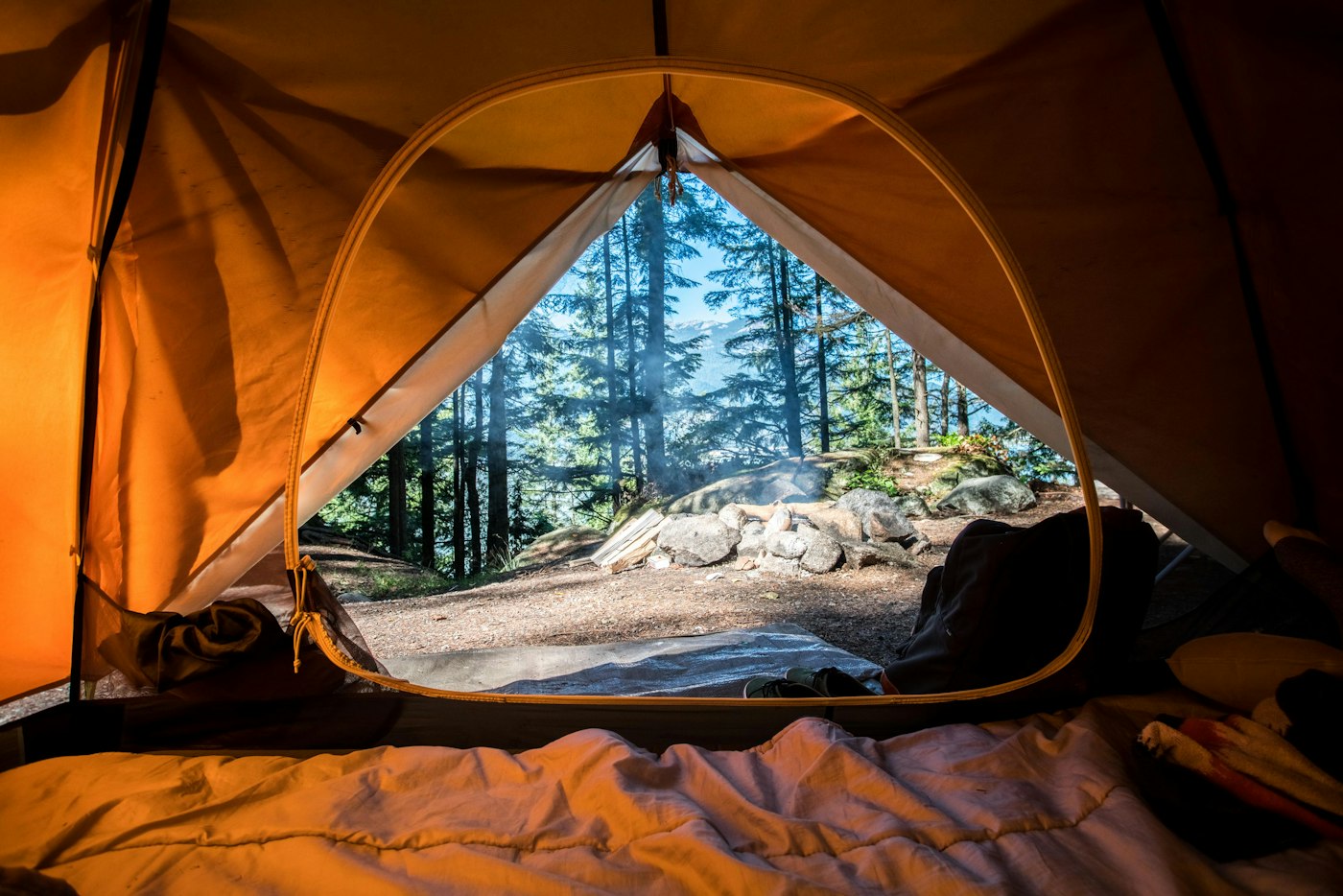
Track and estimate every expense for your outdoor adventure — from gear and transport to food and campsite fees.
Understanding your expenses before you head outdoors helps you enjoy the trip without financial surprises.
Tents, sleeping bags, backpacks, cooking equipment — estimate the full cost of essential camping gear before you buy.
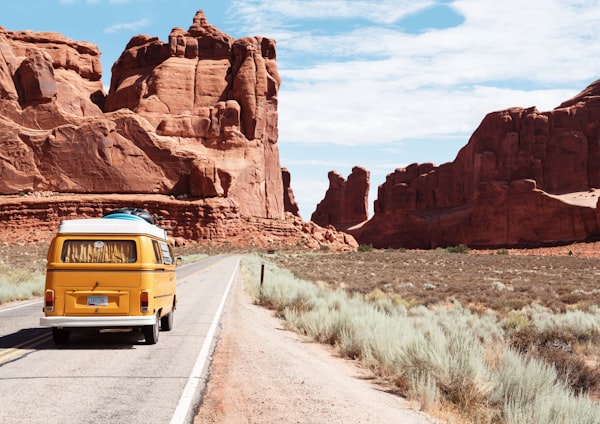
Fuel, tolls, parking fees, and vehicle rental costs can add up quickly. Plan your route and budget accordingly.
Meal planning is key to managing costs. Estimate groceries, water, snacks, and cooking fuel for every day of your trip.
From free dispersed camping to premium RV parks, site fees vary greatly. Research and compare before you book.
First aid kits, emergency tools, headlamps, and fire starters — small costs that ensure big peace of mind.
Keep a running total of every expense category to stay within your overall camping budget throughout the trip.
Break down your camping costs into manageable categories for better planning and tracking.

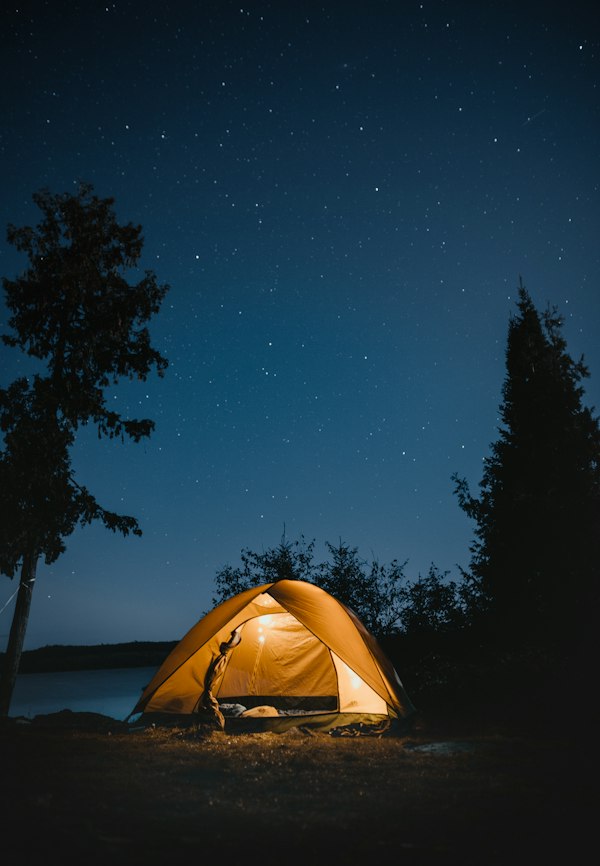
Smart strategies to make your camping adventures more affordable without sacrificing comfort.
Camping equipment goes on significant sale during autumn and winter months. Stock up on tents, sleeping bags, and accessories during clearance events.
Pre-prepare meals at home and bring a portable stove. Eating at campsite restaurants or buying convenience food dramatically increases costs.
Split transport and campsite costs with friends or fellow campers. Many sites charge per-site rather than per-person, making group trips cheaper.
Research dispersed camping on public land or free designated areas. Many national forests and BLM lands offer no-fee camping options.
Use a simple spreadsheet or notebook to record each purchase. Knowing where your money goes helps you cut unnecessary costs on future trips.
For one-time or rare trips, borrow specialized gear from friends or rent it locally instead of purchasing equipment you may rarely use.
